Tuesday:
Tuesday's class was unique in that we worked with Dr. Spotts and our SMART groups one-on-one. In our meeting with Dr. Spotts, we presented our value proposition canvas that we completed with the engineers about our heated steering wheel cover. Dr. Spotts pointed out areas for improvement and suggest that we meet with our engineer partners to go over the map one last time. Additionally, we talked with Dr. Spotts about the 10 question survey we will be using to conduct market research. He was able to help us restructure and reword our questions. After talking with Dr. Spotts, we sent our materials to our marketing consultant, Sam, for review. Due to the busy nature of the week before spring break, we were unable to find a meeting time. However, our SMART project group is planning on meeting with her when we return from break.At the end of Tuesday's class we were tasked with creating a "mega-mind map" that should encompass what we have learned throughout the first half of the semester. Completing the map was both a challenging and rewarding experience. We have learned so much throughout the course of the past eight weeks, which is why creating the map was challenging. It was, however, rewarding to step back and look at all we have accomplished thus far. A picture of my "mega-mind map" can be found below:

Thursday:
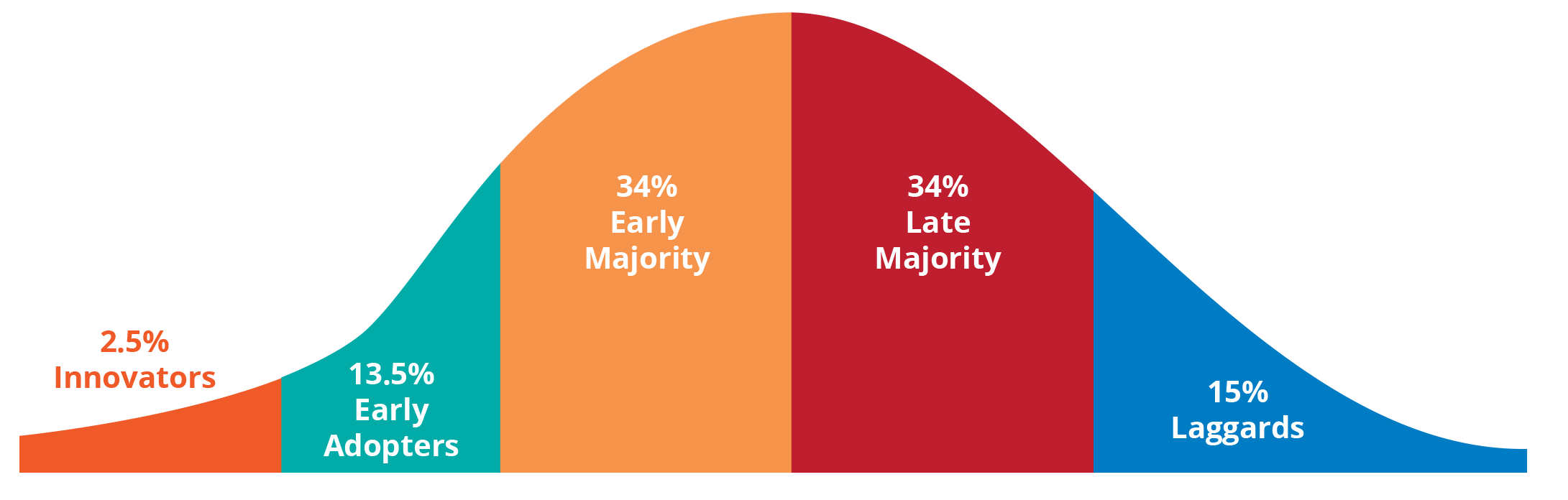 In Thursday's class, we learned two major marketing concepts. The first marketing concept we discussed is the Diffusion of Innovation theory. This theory is a curve that shows how a product moves through a market. It shows that the first people to use a new product fall into a class known as innovators. Next, the product will work its way to early adapters who buy the product for purposes of social validation. A product cannot be successful unless it can pass the chasm that lies between the early adapters and the early majority. The early majority is most likely a huge portion of your target market and is where your product will thrive. Eventually, your product will reach the late majority and the laggards, which are those that will not purchase the product unless it is inconvenient not to.
In thinking about our SMART project, my teammates and I defined who we think our innovators, early adapters, and early majority will be:
Innovators: Those who are obsessed with "tricking out" their car. These people are the ones who strive to customize their car to their personal needs and wants.
Early adapters: Young adults who want to show off the product, but also find that they have a need for it. We predict that these people drive their cars a couple times per week to a part time job or social outings.
Early majority: the working class. Ideally, we want our heated steering wheel to reach the working class and become a necessity for people who drive in cold weather very often.
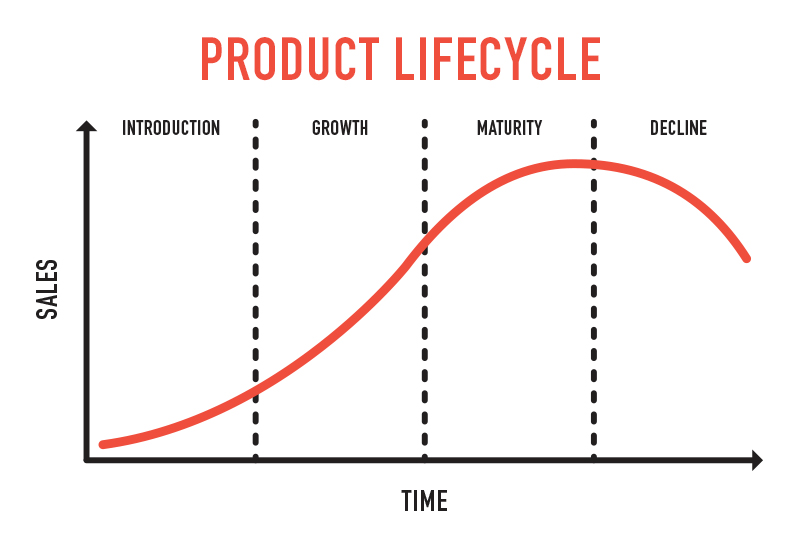 The second concept that was introduced is the Product Life Cycle, The product life cycle is a timeline that shows the relationship between sales dollars and the age of the product. There are four main stages of the product life cycle: introduction, growth, maturity, and decline. When discussing this concept, we often referred to the iPhone as it is a product that the entire class is aware of. We concluded that the iPhone brand is continuously moving through the product life cycle because when it reaches maturity, Apple releases another model. The iPhone 4, however, is an example of a specific iPhone that has reached the decline stage. It is impossible to find a new iPhone 4 as they are no longer manufactured.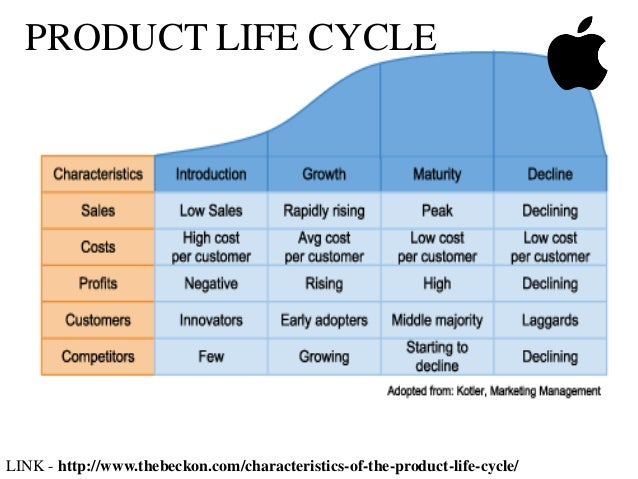
Finally, we discussed an interesting aspect of the iPhone--will it ever decline? Some of my classmates share the opinion that the iPhone will never decline because it has become such an essential part of our every day life. The only way the iPhone could decline, in my opinion, is if a product was created that replaced the need for both a laptop and a cellphone.

No comments:
Post a Comment